


 CLOSE
CLOSEWorst Foods for Gut Health, and What to Eat Instead


Last Updated on 6th May 2026 by Hannah
What comes to mind when you first think of a healthy, happy body? Odds are your mind doesn’t immediately think of the thousands of microbes and healthy bacteria living in your gut, but it turns out that they are vital for maintaining your health. The microbiome in your gut impacts everything from your physical to your mental health and can also help with IBS symptoms.
If you struggle with bloating or discomfort after eating, the issue could be due to a few common foods — and it can be solved with a few easy swaps your gut will thank you for. Don’t panic, though— gut health is about balancing moderation with understanding of the foods that may trouble your tummy, rather than cutting out whole parts of the food pyramid. In this guide, we’ll cover foods that may upset your gut and practical alternatives to support your digestion. Let’s dig in.
Why Some Foods Can Negatively Affect Your Gut
You may live with a condition like irritable bowel syndrome (IBS), gastroesophageal reflux (GERD), or inflammatory bowel disease (IBD), which can all cause bloating, gassiness, and an overall upset stomach. But you can also experience this when eating certain foods too often.
Sarah Fancourt, Gousto Lead Nutritionist says:
“Digestive health isn’t just about what we eat; how we eat matters too. A balanced and varied diet helps support normal gut function, but certain food and drink may trigger discomfort, especially if eaten quickly or in large quantities.
High fat foods take longer to digest and can leave some people feeling overly full or bloated. Caffeinated drinks like coffee, cola and some teas can increase stomach acid, which may lead to heartburn or gas in some people. Alcohol can also have a similar effect and can slow down digestion.
Supporting digestive health often comes down to simple habits. Eating plenty of fruit, veg, high fibre foods, nuts and seeds can help maintain normal digestion. Many people also find it helpful to include fermented, probiotic-rich foods – such as live yogurt, kimchi, or kefir – which contain beneficial bacteria for the gut.’”
The 6 Worst Foods for Gut Health
No ingredient is ‘bad’ when eaten in moderation, but certain foods can reduce the amount of healthy bacteria in your gut or cause inflammation in high amounts. These foods shouldn’t be cut from your diet completely, but rather turned into occasional treats rather than everyday meals.
1. Saturated Fats
Foods high in saturated fat can reduce the diversity of beneficial gut bacteria. While you can enjoy these foods as occasional treats, eating them too often is linked to a low fibre intake and may not give your gut the nutrients it needs.
Some examples of foods with saturated fats include:
- Fatty red meats like pork belly, bacon, and lamb
- Processed meats like hot dogs, sausage, and canned meats
- High-fat dairy products like cream cheese, butter, and heavy cream
You can swap these out for lean proteins like chicken, turkey, and fish, or plant-based options like beans, lentils, and chickpeas. Making these swaps doesn’t mean settling for bland meals, though. You can enjoy a Chinese-Style Turkey & Green Pepper Stir-Fry or a speedy 10-Min Feta, Asparagus & Lentil Salad, packed full of flavour and lighter on your stomach.

2. Processed Foods
‘Processed’ food means any kind of food or drink that has been changed from its otherwise natural state. Sometimes this is beneficial, such as pasteurising milk to remove harmful bacteria or pressing ingredients like nuts or fruits to extract oil or juice.
Ultra-processed foods (UPFS) are different to this, and have undergone significantly more processing, including preservatives, emulsifiers, or sweeteners. This includes foods like packaged snacks (think crisps and packaged cakes), processed meat (pies and pasties), instant noodles, sugary sweets and cereals, and ready meals. This combination of additives and preservatives can disrupt gut bacteria.
For a flavourful alternative to ultra-processed foods, look for fibre-rich recipes with minimally processed ingredients like Malaysian-Style Sambal Jumbo Prawn Lentil Dal With Garlic Roti or add a healthy twist when you whip up a Creamy Chicken Caesar Bean Bowl With Croutons — or, for a vegan protein option, try Crispy Mango Glazed Tofu With Saag Aloo Butter Beans. These dishes keep healthy, minimally processed food at the heart while still leaving you full and satisfied.

3. Deep-Fried Food
Deep-fried foods like fried chicken, chips, and battered takeaway dishes have great taste and texture, but come with a high fat content that can slow digestion, leading to discomfort. However, there are plenty of ways to fry food, so you don’t have to miss out on your takeaway classics. For instance, air-fried food uses less oil, making it generally healthier and lower-calorie, while stir-fried food is a good way to cook a dish up quickly while retaining most of the nutrients.

4. High Levels of Refined Sugar
Sugar is great as an occasional treat, but in excess, it may contribute to inflammation and disrupt the balance of beneficial gut bacteria. So, it may be best to swap the sugary desserts, fizzy drinks, and high-sugar snacks with healthier desserts, that still feel indulgent.
Need recipe inspiration? No problem:
– For a crunchy fruit-led treat: try a Healthy Rainbow Fruit Flapjack, topped with tart kiwi and sweet berries to give it an extra helping of fibre and nutrients your gut will thank you for.
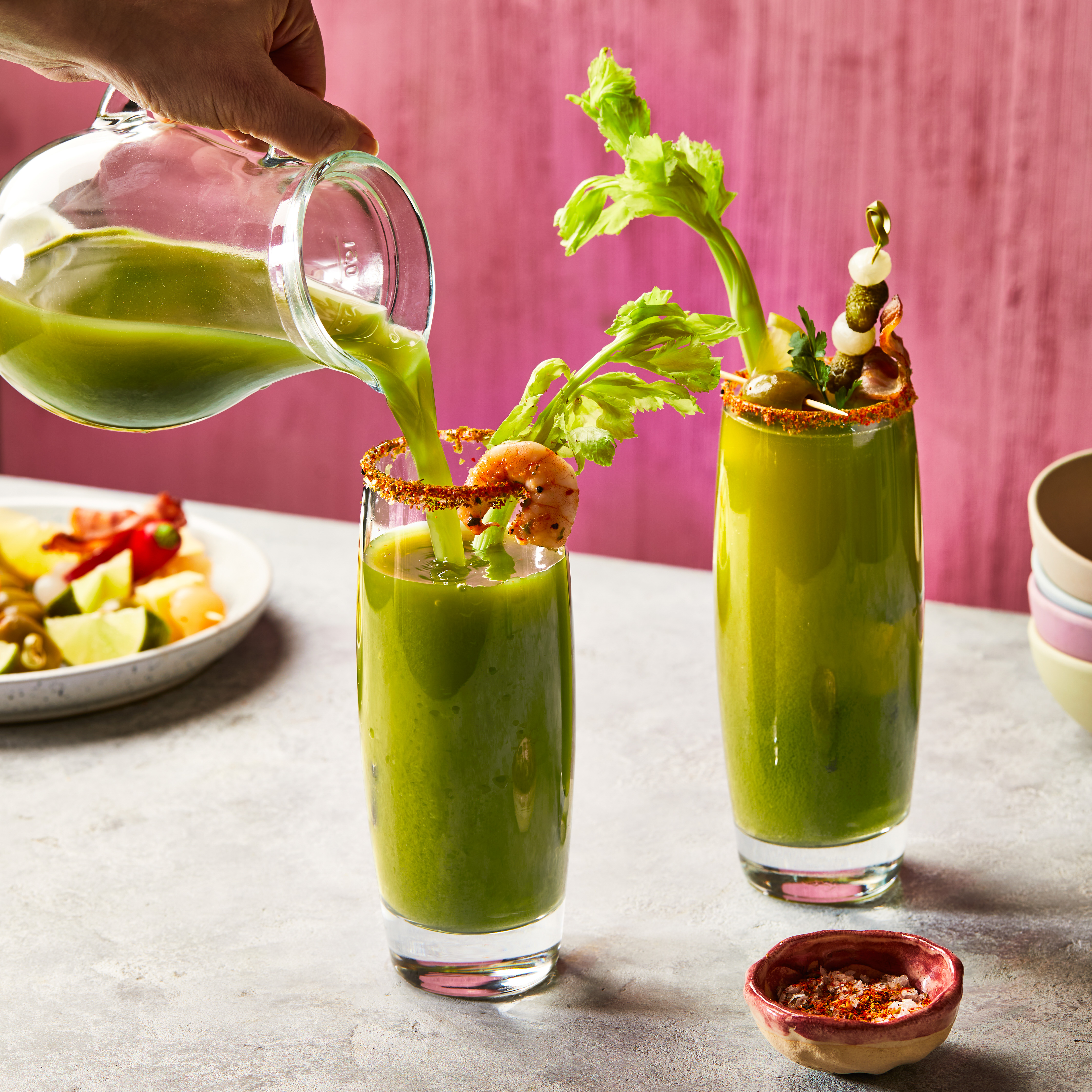
– For a lower-sugar option: try Gousto’s Green Juice for a veggie-packed option of liquid kale, cucumber, and celery spiked with refreshing citrus.

5. Artificial Sweeteners
Artificial sweeteners are one way some manufacturers choose to lower the sugar content of their products, but for people with sensitive stomachs, these sweeteners can still cause bloating. This is because some sweeteners can affect gut bacteria, disrupting the positive balance of the microbiome.
These sweeteners are usually found in diet fizzy drinks, sugar-free sweets, and artificially sweetened yoghurts. It’s generally better to opt for natural sweeteners when you’re craving a treat. This includes foods infused with sweet honey, rich maple syrup, or coconut sugar.
Don’t think that sweetness is just for the puddings, either—you can also try a Hot Honey Chicken and Sweet Potato Salad for a sweet and spicy kick in under 600 calories, or enjoy a rich breakfast of Caramelised Maple & Chai Spiced Pineapple Pancakes for a Bombay-inspired start to your day. And, of course, when it is time for pudding, you can try an Irresistible Healthy Carrot Cake where agave syrup and coconut sugar are the unsung stars.

6. Alcohol and Excess Caffeine
It’s no secret that drinking a lot of alcohol won’t make you feel your best. Alcohol and caffeine can both irritate the gut lining and impact digestion when consumed heavily. Where alcohol disrupts the balance of beneficial bacteria in your gut, caffeine can stimulate digestion too quickly, worsening symptoms like reflux or diarrhoea in sensitive individuals.
To lower your alcohol consumption, opt for alcohol-free or low alcohol recipes like a Coq au Vin-less and virgin cocktails.
Likewise, to replace your second or third coffee of the day, try a homemade herbal tea with light mint, zesty lemon, or refreshing raspberry.

What to Eat to Support Gut Health
Add more flavour to your weekly menu with foods that support digestion without leaving you lethargic or bloated. The best foods for gut health are fibre-rich vegetables, wholegrains like brown rice or wholegrain pasta, and fermented foods like kimchi or miso.
How to Reduce Gut Triggers Without Cutting Foods Out Completely
Just because a food isn’t 100% gut healthy doesn’t mean you have to cut it completely out of your diet. Sweet treats and processed foods will always have their place in everyone’s diet—in moderation, balanced with healthy recipes.
Enjoy your comfort food, but keep these tips in mind:
| Be aware of your portion sizes | Single portions of deep-fried food or alcohol are fine, but too much can leave you feeling bloated and with an upset stomach. |
| Balance your meals | If you’re having a rich meal like fried chicken, make sure you pair it with something that’ll balance your gut, like a homemade colourful coleslaw where veggies can take the centre stage. |
| Go for gradual changes over total restriction | You’ll be more likely to stick to your new meal plan if you give yourself the time to discover new favourite meals. |
| Pay attention to your body after meals | Different people have different tolerance levels, and if you experience extreme reactions ot certain foods, it’s probably time to consult a doctor to see if that food needs to be cut out entirely. |
Gut Health FAQs Answered
Do eggs help gut health?
Eggs contain protein and nutrients, but not fibre. This means they don’t directly support healthy gut bacteria, but they can be paired with veggies or whole grains to make meals more gut-friendly.

What other factors affect gut health?
Gut health isn’t just about food. Stress, poor sleep, exercise levels, smoking, drinking alcohol, and illnesses or antibiotics can all upset the balance of your gut’s microbiome. A lifestyle that balances all these factors and includes healthy habits (including at the dinner table) can support a healthier gut overall.
Make Gut-Friendly Eating Part of Your Routine
Whether you choose a fibre-rich Buddha bowl or a cheeky carrot cake packed with healthier sugars, there are plenty of options to give you a healthier gut. Aim for healthy recipes and patterns, not perfection, and you’re well on your way.
There’s no rush either. You can experiment with gut-friendly swaps and balanced recipes at your own pace to see what works best for you. At Gousto, we’re here to help with over 175 recipes per week to choose from, and Healthy Food Boxes delivered to your door. Let our nutritionist-backed food boxes help you to reduce your gut health triggers and live a healthier lifestyle.
