


 CLOSE
CLOSEBest Fermented Foods for Gut Health: What to Try and How to Enjoy Them


Last Updated on 18th June 2026 by Hannah
Kimchi, kefir, kombucha, miso. Fermented foods have earned their spot in the fridge door, bringing chilli crunch, creamy tang, gentle fizz and deep savoury depth to some of our favourite everyday meals.
Gut health is part of the appeal, but knowing what you’re actually buying makes sure you are getting the benefits that are right for you. Some fermented foods contain live cultures and, as part of a varied, balanced diet, can support a healthy gut microbiome. The best part about fermented foods, though, is that you can enjoy them for what they bring to the plate: sharp, savoury, tangy flavour.
Find out which fermented foods are worth trying, what to look for on the label, plus simple ways to use them in breakfasts, bowls and midweek dinners.
What Are Fermented Foods?
Fermented foods are foods or drinks changed by microorganisms such as bacteria or yeast. As they ferment, those microorganisms break down natural sugars and other food components, creating new flavours, textures and aromas.
Fermentation has been used in kitchens around the world for centuries, from Korean kimchi and Japanese miso to sauerkraut, yoghurt and sourdough. Some fermented foods are mainly about flavour, while others may also contain live cultures if those cultures are still present when you eat them.
“While we still have more to learn about the full health benefits of fermented foods, the research so far is encouraging. Regularly including them in your diet may help support a healthy and diverse gut microbiome. Your gut plays a key role in everything from digestion and nutrient absorption to immunity and metabolism. It also helps break down fibre and produce important nutrients such as B vitamins and vitamin K.
We’re also learning more about the connection between the gut and the brain, known as the gut–brain axis, which suggests that looking after your gut may have benefits beyond digestion, i.e. your mood and overall wellbeing. While fermented foods aren’t a magic solution, enjoying a variety of them as part of a balanced diet, alongside aiming for the recommended 30g of fibre a day, is a simple step to support your overall health.”
Fermented vs Pickled: What’s the Difference?
Fermented and pickled foods can both taste tangy, which is where the confusion starts. The difference usually lies in how that tang is created.
Fermented foods get their sharpness from natural fermentation. Microorganisms such as bacteria or yeasts break down sugars in the food, creating acidity and depth over time. Kimchi, sauerkraut, kefir, yoghurt and miso are all examples of fermented foods.
Pickled foods are usually preserved in an acidic brine, often made with vinegar, salt and sometimes sugar. That gives them a bright, sharp flavour quickly, without relying on fermentation. Think sliced pickled onions, quick-pickled cucumber or classic jarred gherkins.
Are All Fermented Foods Probiotic?
Not always. Fermented describes how a food is made. Probiotic describes what the food contains and what those live microorganisms have been shown to do.
For a fermented food to be considered probiotic, it must contain specific live microorganisms, such as certain bacteria or yeasts, in amounts associated with a documented health benefit. So while foods like kefir, live yoghurt, kimchi and sauerkraut may contain live cultures, they are not automatically probiotic just because they are fermented.
Healthy Fermented Foods to Try for Gut Health
There isn’t a single fermented food that suits everyone, and no particular order in which to try them. Discover some examples of fermented foods that you can start adding to your meals today.
Kefir
What it is: Kefir is a tangy fermented milk drink. Thinner than yoghurt but creamier than milk, it has a sharp, slightly fizzy edge.
How to use it: Pour it into smoothies, spoon it over oats or whisk it with lemon, garlic and herbs for a creamy salad dressing that packs a punch.


Live Yoghurt
What it is: Live yoghurt is a type of yoghurt that contains viable, “friendly” bacteria that is left unpasteurised so those bacteria survive until you eat them.
How to use it: Spoon it over granola, swirl it into overnight oats or use it as a cooling base for sauces, dips and marinades. Try it with grated cucumber, garlic and herbs for a quick yoghurt sauce.
Kimchi
What it is: Kimchi is a Korean fermented vegetable dish, often made with cabbage, radish, chilli, garlic and ginger. It’s crunchy, spicy, sour and full of savoury depth.
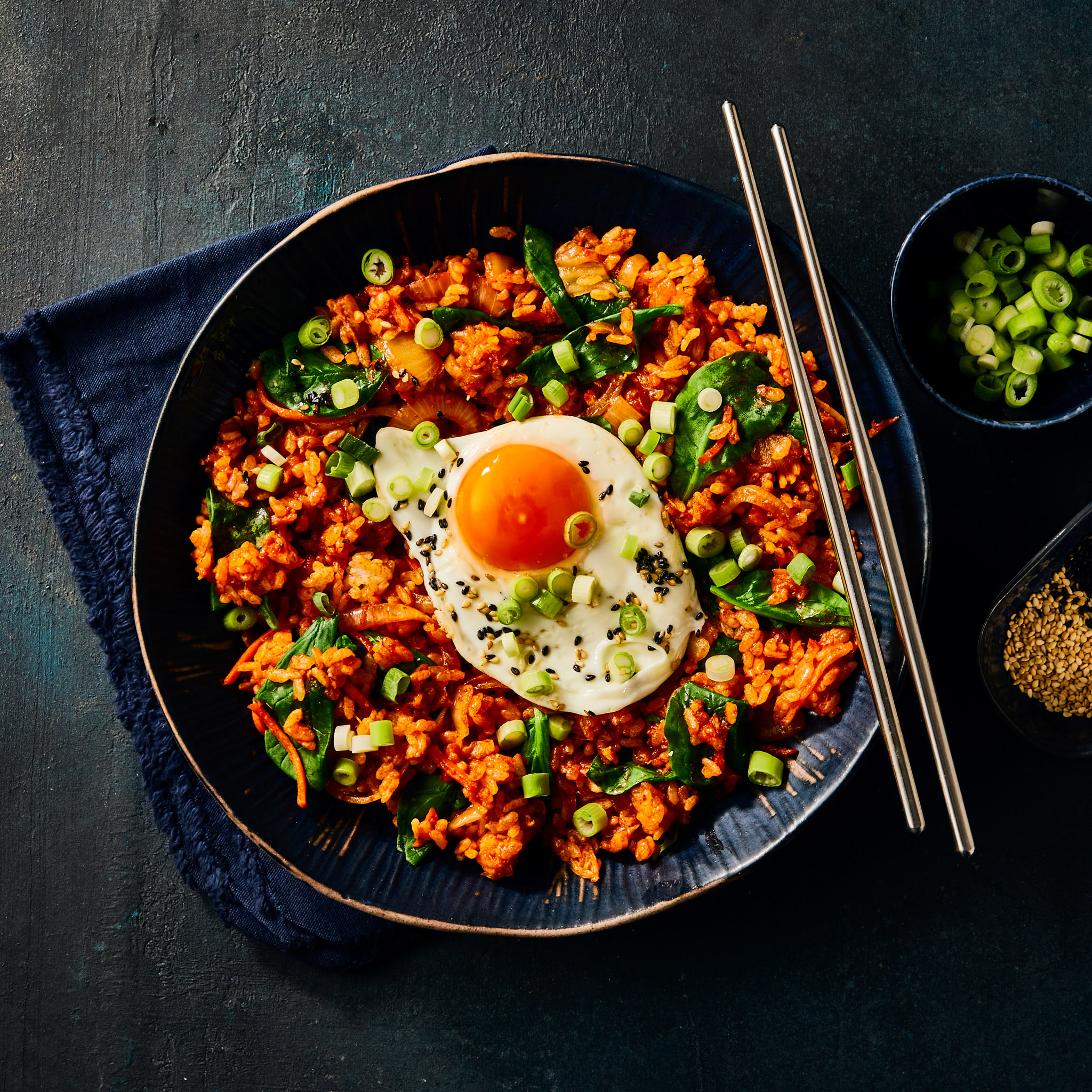
How to use it: Add a spoonful to rice bowls, noodles, fried rice or eggs for heat and zing. It also works brilliantly with rich, cheesy or creamy dishes when you want something sharp to cut through.


Sauerkraut
What it is: Sauerkraut is finely shredded fermented cabbage. It’s crisp, sour and salty, with a cleaner, sharper flavour than kimchi.
How to use it: Pile it onto jacket potatoes, grain bowls or sandwiches. A small forkful can add crunch and brightness to creamy, smoky or slow-cooked dishes.
Miso
What it is: Miso is a Japanese fermented soybean paste. It’s salty, savoury and deeply umami, with different varieties ranging from mellow and sweet to rich and intense.
How to use it: Whisk it into soups, broths, glazes, dressings or marinades. Brush it over salmon, aubergines or mushrooms, or stir a spoonful into noodle broth for an adventurous lunch or dinner party main.


Tempeh
What it is: Tempeh is made from fermented soybeans pressed into a firm block. It has a nutty flavour, a hearty bite and a texture that works well in a variety of vegetarian and vegan dishes.
How to use it: Slice or crumble it into stir-fries, curries, noodle bowls or tacos. It’s especially good with punchy marinades, sticky glazes and crisp edges from the pan.
Kombucha
What it is: Kombucha is a fermented tea drink with a fizzy, sweet-sour tart flavour. Some bottles are light and floral, others are sharp, fruity or almost vinegar-like. You’ll find flavours like ginger, raspberry, lemon, peach or hibiscus, which can make kombucha an easy first step if kimchi or sauerkraut feel a bit full-on.
How to use it: Sip it chilled with lunch, pour it over ice with citrus and herbs, or serve it alongside spicy food for a bright contrast.


Naturally Fermented Pickles
What it is: Naturally fermented pickles are vegetables fermented in a saltwater brine, rather than quickly pickled in vinegar. They’re crunchy and salty with a deeper sour flavour.
How to use it: Add them to burgers, wraps, sandwiches, salads or mezze-style plates. They’re great when you want crunch and acidity without making a full side dish.
How To Use Fermented Foods In Everyday Cooking
You don’t need to overhaul the way you eat. Start by treating fermented foods as flavour boosters: a forkful of kimchi, a spoonful of miso, or a swirl of yoghurt brings tang, crunch, or savoury depth to dishes you already make. Keep it small and tasty enough to do again.
- Add them as a topping: Finish rice bowls, jacket potatoes, salads or boiled eggs with kimchi, sauerkraut or fermented pickles for crispness and acidity.
- Stir them into sauces and dressings: Whisk miso with ginger and lime, yoghurt with lemon and herbs, or kefir with garlic and black pepper.
- Pair strong flavours with familiar favourites: If kimchi is new to you, start with rice. Add sauerkraut to potatoes, or crisp tempeh and serve it with noodles. Familiar bases give the sourness, heat or nuttiness somewhere to land.
- Go gently if you’re new to them: Start with a small spoonful, taste as you go, then add more next time if the flavour suits you.
Want more easy ways to bring bright, savoury flavours into dinner? Choose recipes in your Gousto Food Box that have fermented ingredients, and we’ll do the pairing for you. Pick your recipes, get everything delivered to your door, and try something new without buying a fridge full of jars first. Discover how Gousto works or order your first box today and start making mealtimes easier for your household.

6 Fermented Food Ideas for Breakfasts, Lunches and Dinners
Ready to turn those fridge-door extras into breakfast, lunch or dinner? These 6 Gousto recipes pair fermented ingredients with the flavours they love most: grains with creaminess, roasted veg with deep savouriness, and crisp toppings with cosy carbs.
Kimchi, Veg & Pork Stir Fry with Rice

Fast, fiery and full of colour, this stir fry brings kimchi-style sharpness together with tender pork, shredded veg and a glossy hit of gochujang. The long-grain rice keeps things comforting, while the chilli paste and kimchi-style sauce add heat, depth, and a little fermented-food flair.
Miso Portobello Mushroom with Edamame Rice & Gochujang Slaw

Fast, fiery and full of colour, this stir fry brings kimchi-style sharpness together with tender pork, shredded veg and a glossy hit of gochujang. The long-grain rice keeps things comforting, while the chilli paste and kimchi-style sauce add heat, depth, and a little fermented-food flair.
Kimchi 5 Bean Chilli with Cheesy Corn & Brown Rice

A five-bean chilli, but with a Korean-inspired twist. Kimchi ketchup brings sweet-sour heat to the pot, while cheesy charred corn adds a smoky, creamy finish. Served with brown rice, it’s a cosy bowl with just enough kick to keep chilli night interesting.
Granola Yoghurt Pot with Apple & Berry Compote

Creamy yoghurt, toasted walnut granola and fruit compote make this breakfast pot feel fresh and spoonable from top to bottom. Diced apple brings a little bite, berries add jammy sweetness, and a drizzle of maple syrup rounds it all off.
German-Style Hot Dog with Sauerkraut & Sauteed Potatoes

This is hot dog night with extra crunch, sharpness and bite. Charred Jolly Hog sausages are tucked into brioche buns with sauerkraut and mustard mayo, then served with garlicky sautéed potatoes for a hearty German-style plate.
One Pot Chicken Rogan Josh with Yoghurt

A bubbling one-pot curry with tender chicken, rich tomato sauce and warm spices, finished with a cooling spoonful of yoghurt. Serve it with naan for scooping, wiping and catching every last bit of sauce.
Are Fermented Foods Right for Everyone?
Fermented foods can be part of a healthy, varied, balanced diet, but they won’t suit everyone in the same way. Strong flavours like kimchi and sauerkraut, or fizzy drinks like kombucha, can take some time to get used to. If you have a digestive condition, are immunocompromised, pregnant, or have ongoing symptoms, speak to a GP, dietitian or healthcare professional for advice that fits your lifestyle.
Fermented Foods and Gut Health FAQs
What is the best fermented food to eat for gut health?
There isn’t one single best fermented food for gut health. Kefir, live yoghurt, kimchi, sauerkraut, miso, tempeh and kombucha can all bring different flavours and uses, especially when they contain live cultures. Rather than pinning your hopes on one jar, try a few and see what suits your meals and your taste buds.
What are the best fermented foods to start with?
Live yoghurt and kefir are familiar places to start. Miso is a good next step if you want savoury depth without too much sharpness. Kimchi and sauerkraut are punchier, so are best to try first as an additional topping.
Is kimchi good for gut health?
Yes, traditional, unpasteurised kimchi contains live probiotics that are great for your gut. It’s mostly just cabbage or radish, garlic, and a good kick of chilli, so it’s a really easy way to add a healthy boost to your meal.
Is miso good for gut health?
Miso is a fermented soybean paste with a deep, salty-sweet flavour that supports your gut bacteria for better digestion. Again, try to go for the unpasteurised version to maximise those health benefits, and add it into your everyday cooking, from marinades and glazes to dressings and drizzles in soups.
Note: Although unpasteurised foods are often packed with live cultures to support gut health, they can be risky for certain people. If you’re pregnant, elderly, or have a compromised immune system, opt for the pasteurised versions.
Can you eat fermented foods every day?
You can eat fermented foods every day, but in small amounts as part of a varied, balanced diet. They’re also only one piece of the picture: fibre-rich plants and protein-rich dishes are also important for balance – we should aim to get 30g of fibre per day!
Can fermented foods reset your gut?
Eating fermented foods won’t reset your gut, but they can be a great addition to a balanced diet and may help support a healthy gut microbiome. It’s the small things you do consistently that will make the biggest difference, rather than any one food or quick fix. But over time, if you’re regularly including fermented foods, it’s likely to support a more resilient microbiome. It can also take a little time for your digestive system to adjust to dietary changes, so the best approach is to focus on habits that feel realistic and easy to maintain in the long term. That’s where you’re most likely to see the benefits.
Bring More Fermented Flavour to Your Week
Fermented foods don’t need to take over your kitchen. Choose the ones you genuinely enjoy, then let them bring something distinctive to the plate, whether that’s a brighter sauce, a richer glaze, a sharper topping or a drink with a little sparkle. Start with one idea, build it into food you already fancy, and keep going from there.
If you’d rather skip the planning, Gousto makes it easier to incorporate these ingredients into your routine. You can explore a wide range of recipes each week, from flavour-packed midweek meals to Healthy Choices. Choose what fits around your schedule and keep dinner feeling fresh, balanced and full of flavour.

