


 CLOSE
CLOSEEating the Mediterranean Way: A Tasty Path to Wellness!


Last Updated on 14th October 2025 by Lizzie Moore (ANutr)
Looking for a way of eating that supports heart health, longevity and everyday enjoyment? Many people are turning to the Mediterranean diet because it’s not just healthy – it’s sustainable, balanced, and delicious. With its focus on olive oil, fresh plants and fish, this way of eating has been linked to better cardiovascular health, reduced risk of disease and more energy day to day!
Bring the Mediterranean lifestyle into your kitchen and enjoy meals that are as nourishing as they are flavourful. Start eating the Med way today!
Mediterranean Diet Basics: What You Need to Know
Olive Oil: The Star Ingredient
Whether you’re in a Greek taverna or a Spanish tapas bar, one ingredient always shines – olive oil. Known as “liquid gold,” it’s the foundation of the Mediterranean way of eating and is strongly associated with longevity, heart, health and reduced inflammation.
Why is olive oil healthy?
Olive oil is rich in monounsaturated fats that raise your levels of “good” cholesterol and lower the “bad”. It’s also full of antioxidants and anti-inflammatory compounds, which reduce the risk of heart disease, cancer, and even obesity.
Where you can add olive oil into your diet:
Drizzle it over salads, blend it into marinades, whip up a sauce, or use it instead of butter. Just remember, it’s still very energy dense, so a little goes a long way!
Does the type of olive oil matter?
Extra virgin olive oil is the least processed, meaning it has more polyphenols (disease-fighting heroes), plus vitamin E and vitamin K. Other olive oils are still high in these compounds, just in slightly lower levels.
Olive oil may not steal the show on the plate, but it certainly ties the Mediterranean diet together while making it both delicious and nourishing!
Plants: The Powerhouse Pillars of Health
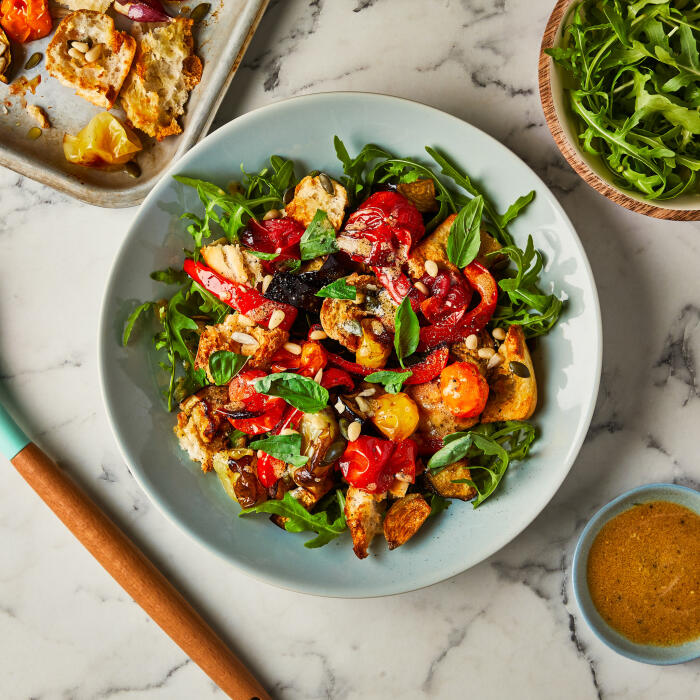
A trip through a bustling Mediterranean market is a feast for the senses – heaps of colourful fruits, fresh vegetables, legumes, nuts and seeds. In the Mediterranean diet, plants are the stars of the plate, providing nutrients that protect your heart, brain, and immune system.
What counts as a “plant”?
Fruit, vegetables, legumes, nuts, seeds, and whole grains.
Why are plants healthy?
– Fibre – plants are packed full of fibre which keeps digestion smooth and your gut microbes happy which in turn benefits your brain & gut health.
– Legumes like beans and chickpeas are great energy sources and release energy slowly, helping you feel full for longer without blood sugar spikes.
– Fruit and veg deliver vitamins, minerals, and antioxidants that defend against chronic disease and support glowing skin & hair, so make sure you are having all of your 5 a day!
– Nuts and seeds are packed with vitamin E, magnesium, and healthy fats, which help manage cholesterol, reduce inflammation, and support overall cardiovascular health. Plus, they’re the perfect fit for an easy on-the-go snack!
How can I eat more plants?
Swap refined carbs for whole grains, add legumes to your salads and pastas, and top all your meals with nuts or seeds. A handful here, a sprinkle there – You’ll hardly even notice you’re upgrading your diet!
In the Mediterranean, plants aren’t just a side dish, they’re the star of the table! Center your meals around them and they will have you eating and glowing like you’re on holiday in no time.
Need inspo? Our Health Hub range is full of recipes to give you your Fibre Fix and Veg Boost!
Red Meat: Less is More
Yes, lamb souvlaki and kleftiko have their place, but in Mediterranean kitchens, red meat is more of a weekend treat than a staple.
– The good: Red meat provides iron, zinc, and protein.
– The not-so-good: Too much is linked to higher risks of heart disease, cancer and high blood pressure – this is due to their high saturated fat levels.
– The balance: Smaller portions, less often. Prioritise plants, fish, and legumes – let meat become more of a treat!
Fish and Seafood: The Heart-Healthy Catch
Now we’re talking seaside dining! Picture a grilled seabass with sea salt and a squeeze of fresh lemon, or salmon sizzling away on the BBQ. Fish is at the heart of the Mediterranean diet – fresh, full of flavour and brimming with nutrients that help support a healthy heart and brain.

Why is fish good for you?
Fish is rich in omega-3 fatty acids, which reduce inflammation, protect the heart, and keep the brain sharp. It’s also a lean protein source, loaded with vitamins D and B2, plus minerals like iodine and zinc.
How much fish should we be eating?
The NHS recommends two portions per week. Salmon, sardines and trout are excellent options – tasty, nutrient-dense and lower in mercury, compared to other options like tuna.
Incorporating fish into your meals is an easy way to tap into the well-known health benefits of the Mediterranean diet. My personal favourite recipe at the moment is the Gousto Amalfi Risotto With Jumbo Prawns!
Have a browse of other tasty fish recipes for some inspo!
The Result: Wellness the Mediterranean Way
Growing up in Cyprus, I learned that the Mediterranean lifestyle is about more than food – it’s about connection, joy, and shared experiences. Even in England, I carry those traditions with me: cooking with friends and family, sharing meals, and savouring every bite.
Eating the Mediterranean way isn’t about restriction – it’s about abundance. Olive oil enriches, plants power, fish supports heart and brain health, and red meat is enjoyed in moderation. All of it is best savoured around a table filled with laughter, conversation and good company.
So next time you plan your plate, think colour, balance and flavour. By embracing the Mediterranean diet and lifestyle, you’ll nourish your body, uplift your mood, and bring a little Mediterranean sunshine into everyday life.
To help get you started: Here are some great Mediterranean inspired recipes!